
Easter morning arrives not with a bell, but with the crinkle of cellophane and the soft thud of a chocolate bunny being dropped into an eager palm. While holiday candy trends come and go—gold-leafed truffles, artisanal caramels, single-origin chocolate bars—there remains a sacred canon of Easter confections that have earned their place in the basket through decades, sometimes centuries, of unwavering deliciousness. These are not merely candies; they are edible heirlooms, recipes passed down through generations of factory machinery and family kitchens alike. This is the definitive ranking of the ten classic Easter candies that have earned the title of timeless.
Check out : M&M: A Sweet Journey with History of Flavors and Colors
How We Chose the Classics
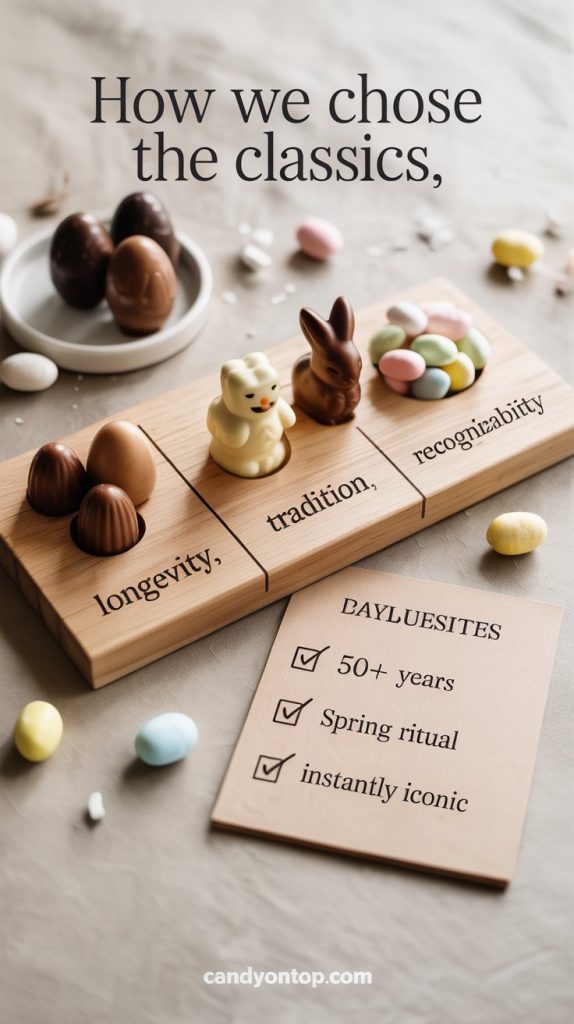
A true “classic” Easter candy must meet three criteria:
-
Longevity: At least 50 years of continuous production for the holiday.
-
Tradition: Deep association with Easter baskets and spring celebrations.
-
Recognizability: Instantly identifiable by shape, name, or experience.
These ten selections represent the Mount Rushmore of Easter sweets—beloved, debated, and absolutely non-negotiable for a proper basket.
Check out my favourite easter eggs and candies only on Amazon.
The Top 10 Classic Easter Candies
#10. Candy Easter Eggs (Panned & Chocolate)
Year Introduced: 1870s (mass-produced by 1890s)
The Experience: Before there were bunnies or chicks, there were eggs. The egg is the original Easter candy, a symbol of rebirth translated into sugar and cacao. Early American confectioners offered both hollow chocolate eggs and the delicate, labor-intensive “panorama eggs”—hollow sugar shells containing tiny scenes visible through a peephole.
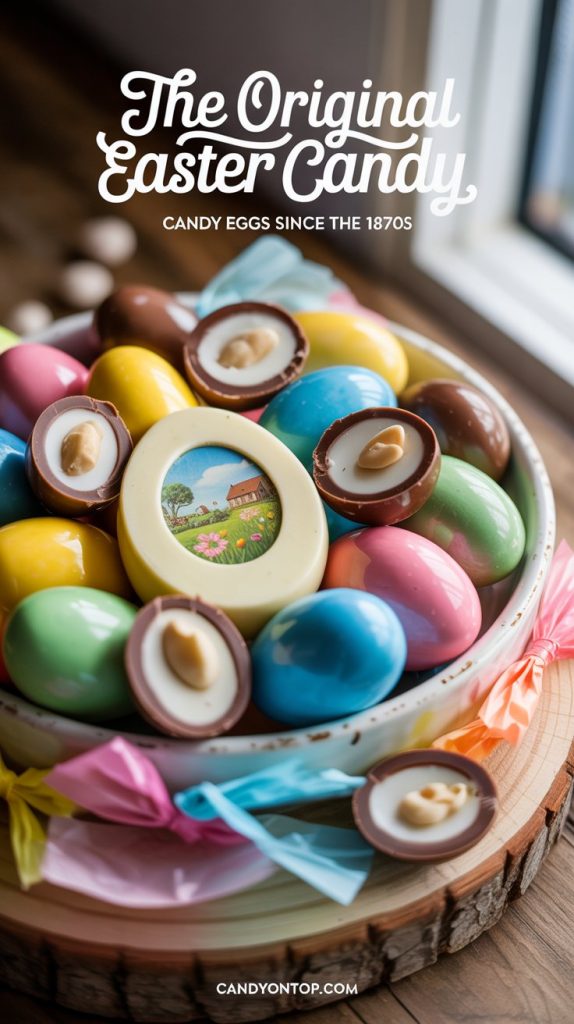
Today, the category splits into two beloved traditions. There are the panned chocolate eggs—think Kopper’s, in continuous operation since 1937—with their satisfying, colorful shells that crack beneath your teeth before yielding to creamy milk chocolate.
And there are the hand-rolled filled eggs, like those from Pennsylvania’s O’Shea’s Candies (since 1934) or California’s See’s Candies, where massive 7-ounce hunks of chocolate conceal buttercream, rocky road, or walnut-filled interiors.
Why It’s a Classic: The egg is the original. Everything else is decoration.
#9. Marshmallow Peeps
Year Introduced: 1953 (handmade earlier at Rodda Candy Company)
The Experience: Few candies inspire such fierce devotion or playful cruelty. The yellow chick, piped by hand until Just Born acquired Rodda in 1953 and mechanized the process, is a textural paradox—slightly crunchy sugar coating giving way to an impossibly soft, squishy marshmallow interior.
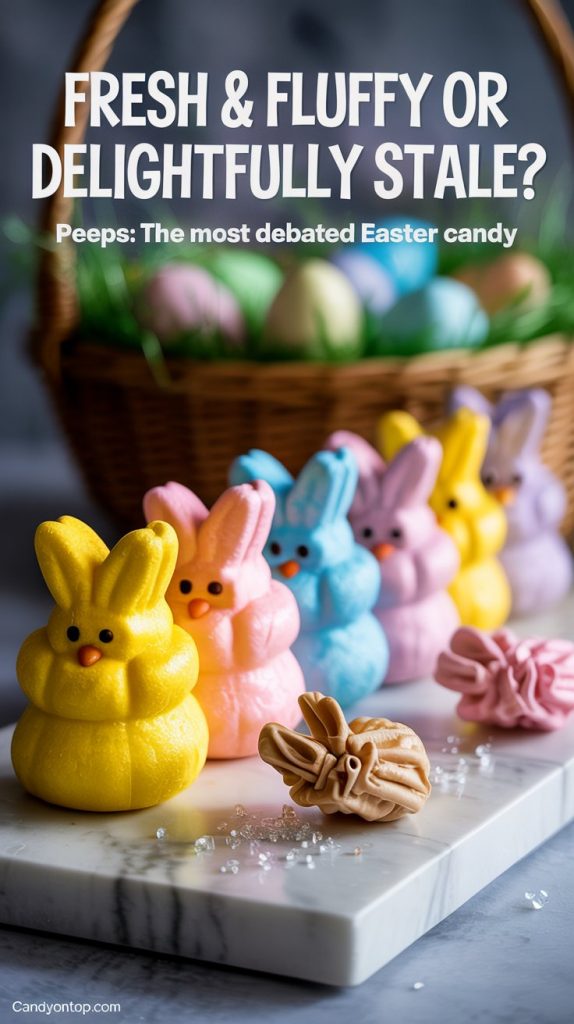
The debate is eternal: fresh and yielding, or stale and chewy? Both factions have valid arguments. What cannot be disputed is Peeps’ transformation from a single yellow chick into a pastel empire of bunnies, eggs, and even chocolate-dipped varieties. They are the most photographed, microwaved, and argued-about candy in the basket.
Why It’s a Classic: It’s the only candy that inspires its own seasonal personality test.
#8. Jelly Beans
Year Introduced: 1890s (Easter association solidified early 1900s)
The Experience: The jelly bean is a marvel of engineering disguised as a simple candy. Its soft, chewy interior is formed in a starch mogul—a Victorian-era machine that revolutionized candy production—while its glossy shell is built up through panning, layer by patient layer.
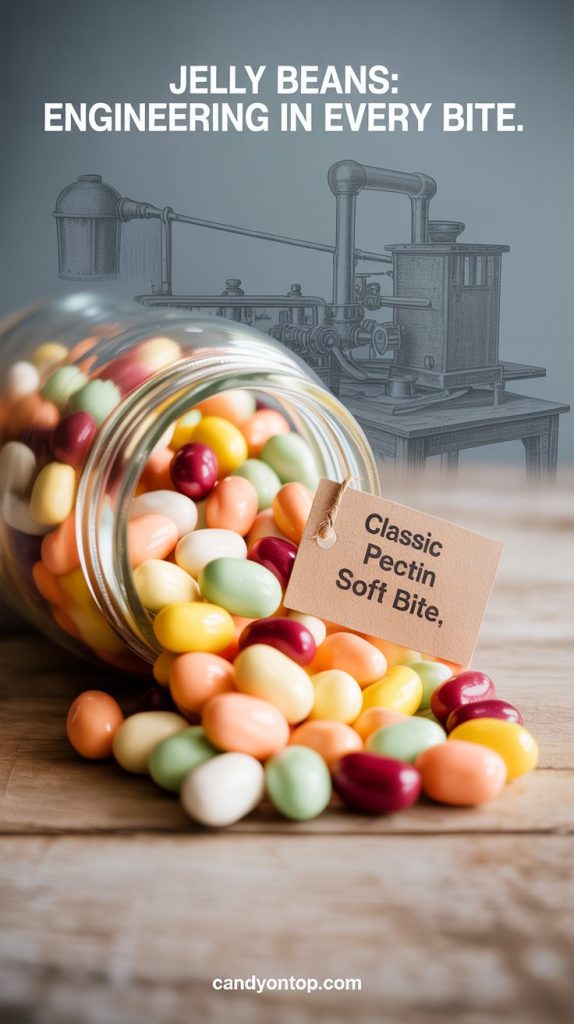
Most jelly beans today use corn starch for that familiar, slightly firm chew. But the true connoisseur seeks out pectin-based jelly beans, which offer a more tender, almost jam-like bite. Russell Stover and other premium makers release their pectin versions specifically for Easter, and they are worth seeking out.
Why It’s a Classic: Because the egg-shaped candy deserves an egg-shaped candy.
#7. Chocolate Bunnies (Hollow & Solid)
Year Introduced: 1830s (hand-molded); mass-market 1900s
The Experience: The chocolate bunny is democracy in candy form. It exists at every price point, from the 25-cent drugstore staple to the exquisite, hand-painted creations of master chocolatiers. This accessibility is precisely why it has endured.
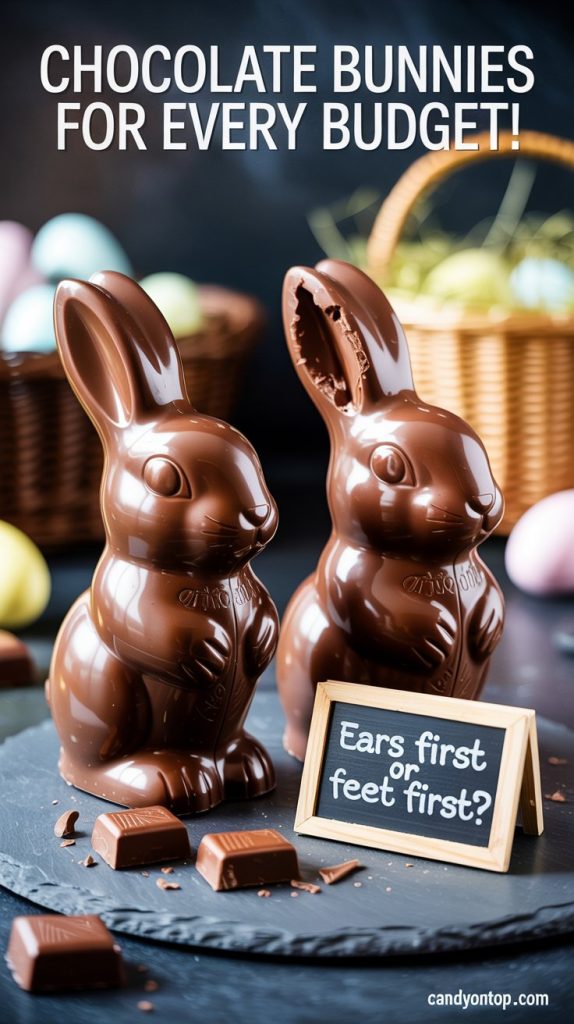
The first chocolate molds were hand-hammered from tin-coated copper sheets in the 1830s, a painstaking art that reached its peak in the 1880s. Rabbits and chicks—with their delicate ears and protruding feet—were among the most challenging shapes to perfect.
Today’s plastic molds and high-speed production lines have democratized the bunny, but they haven’t solved its central philosophical dilemma: Ears first, or feet?.
Why It’s a Classic: Because every bite contains a question of character.
#6. Cadbury Creme Egg
Year Introduced: 1875 (modern version 1963)
The Experience: Love it or hate it—and there is genuinely no middle ground—the Cadbury Creme Egg is a living museum piece. Its thick milk chocolate shell encloses a two-toned fondant center: white “white” and yellow “yolk.” This fondant is a direct descendant of the chocolate creams that dominated 19th-century candy boxes, a style that has otherwise vanished from mass-market production.
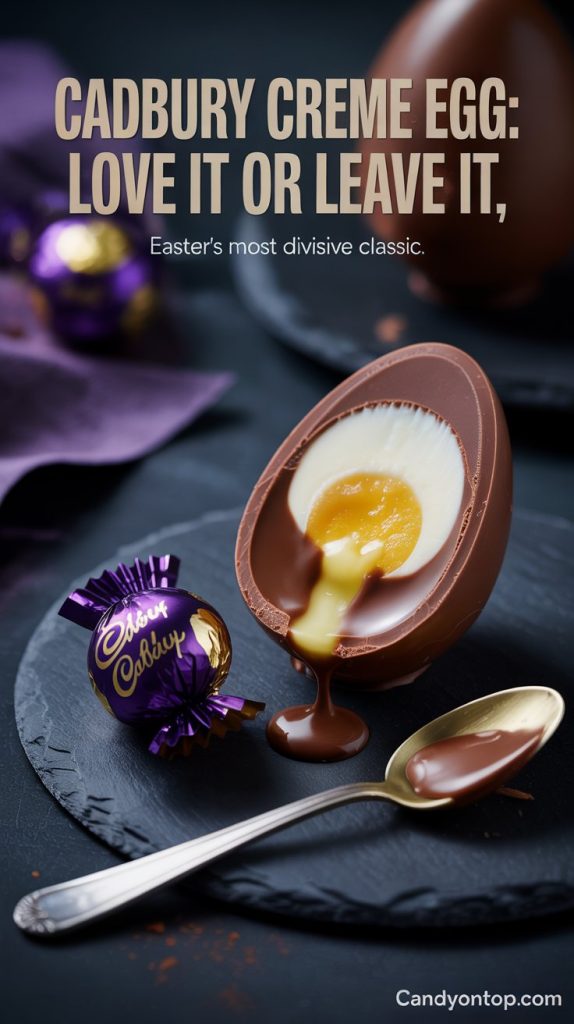
The sugar hit is immediate and overwhelming. It is not a subtle candy. It is a commitment. But for millions, Easter simply does not arrive without that familiar purple box and the ritual of biting the top off and licking out the filling.
Why It’s a Classic: It is the last surviving link to a 150-year-old candy tradition.
#5. Candy Necklaces
Year Introduced: 1950s (peaked mid-century)
The Experience: Edible jewelry that doubles as a rationing system. Those pastel-colored, ring-shaped pressed dextrose candies strung on elastic cord represent one of candy’s most brilliant innovations: you can wear your snack.
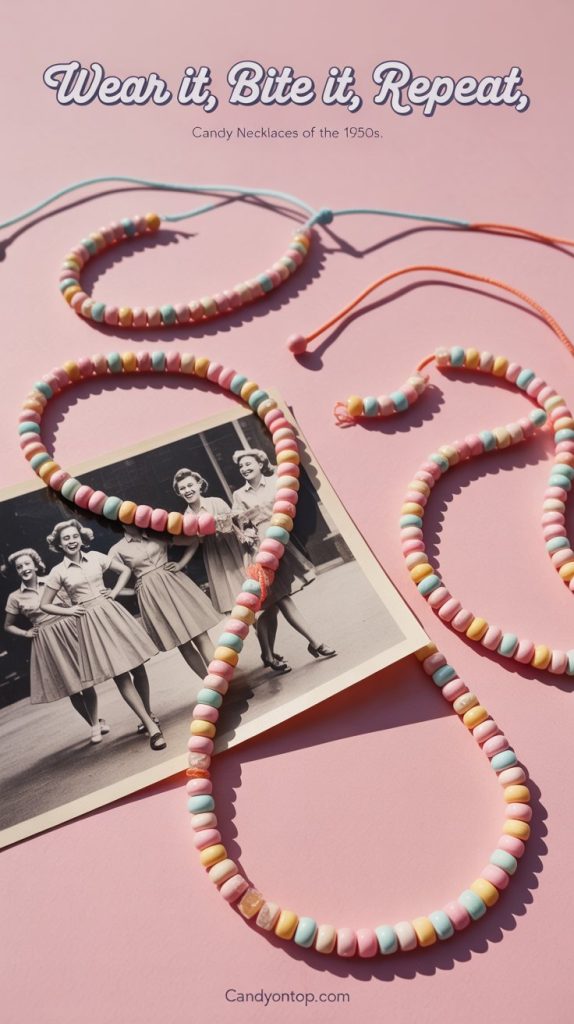
For the girls of the 1950s—ponytails swinging, poodle skirts spinning at sock hops—the candy necklace was equal parts fashion accessory and treat. Bite one off, chew the chalky sweetness, and repeat until the elastic goes slack. It transformed candy from mere consumption into performance.
Why It’s a Classic: It’s breakfast, lunch, and accessories all in one.
#4. Jelly Belly Bunny Corn
Year Introduced: 1960s
The Experience: Candy corn is, by rights, a Halloween candy. It spent the first 80 years of its existence as a year-round penny candy before being typecast in orange-and-black. But in the 1960s, the Goelitz Candy Company (later Jelly Belly) refused to abandon spring.
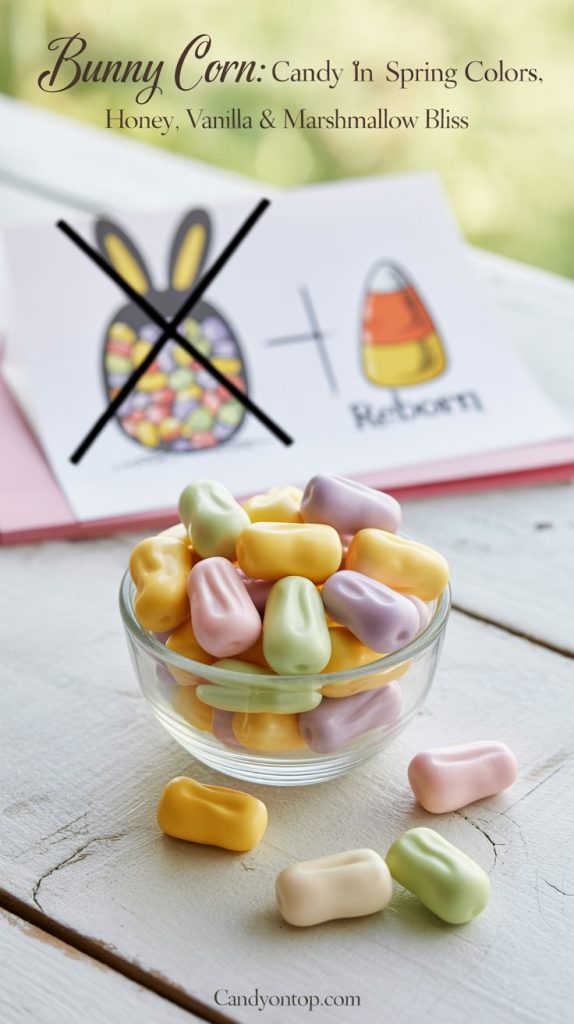
Bunny Corn is candy corn reborn in pastel: butter yellow, soft pink, lavender, and mint green. The flavor remains that unmistakable blend of honey, vanilla, and marshmallow, but the palette is pure spring. While cheaper imitations exist, Jelly Belly’s version retains the tender, melt-away texture that made the original a 19th-century sensation.
Why It’s a Classic: It rescued a national treasure from seasonal typecasting.
#3. Nonpareils & Silver Dragees
Year Introduced: 18th century (mass-produced 1900s)
The Experience: Before there were sprinkles, there were nonpareils—tiny, perfect spheres of sugar that confectioners called “hundreds and thousands.” The Easter basket’s chocolate eggs and bunny shapes have long been finished with these silver or pastel dragees, a practice that dates to the hand-crafted spun sugar nests of 18th-century American confectioners.
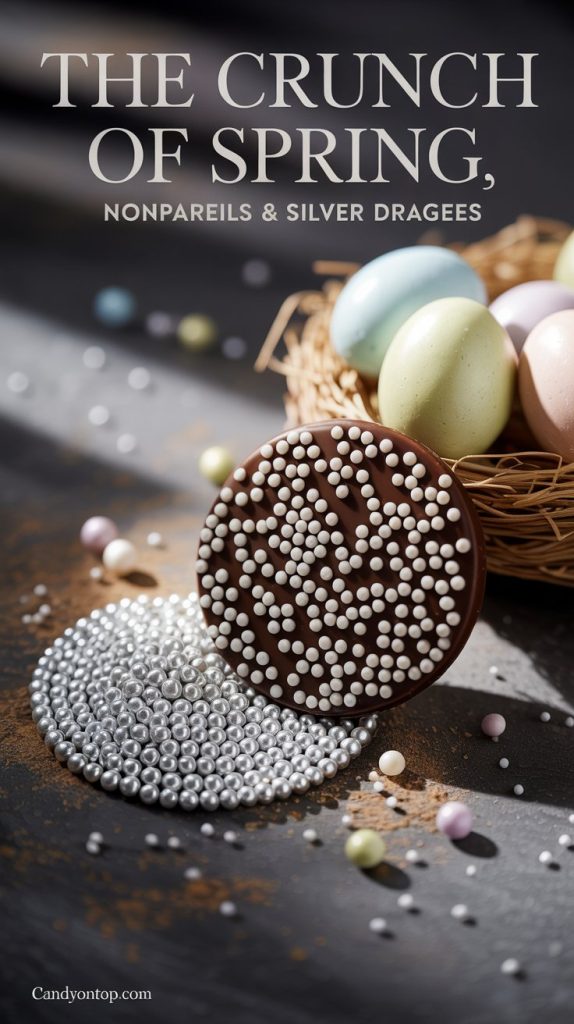
The crunch of a nonpareil against smooth chocolate is the original textural contrast in American candy. Modern versions like M&M’s Peanut—introduced in 1954 and immediately beloved for their “doesn’t melt in your hands” candy coating—are direct descendants of this panning tradition.
Why It’s a Classic: The crunch of spring.
#2. Chocolate-Covered Marshmallow Eggs
Year Introduced: 1920s
The Experience: While Peeps dominate the marshmallow conversation, the chocolate-covered marshmallow egg is the mature, sophisticated cousin. A fluffy, vanilla-scented marshmallow interior enrobed in a substantial shell of milk or dark chocolate.
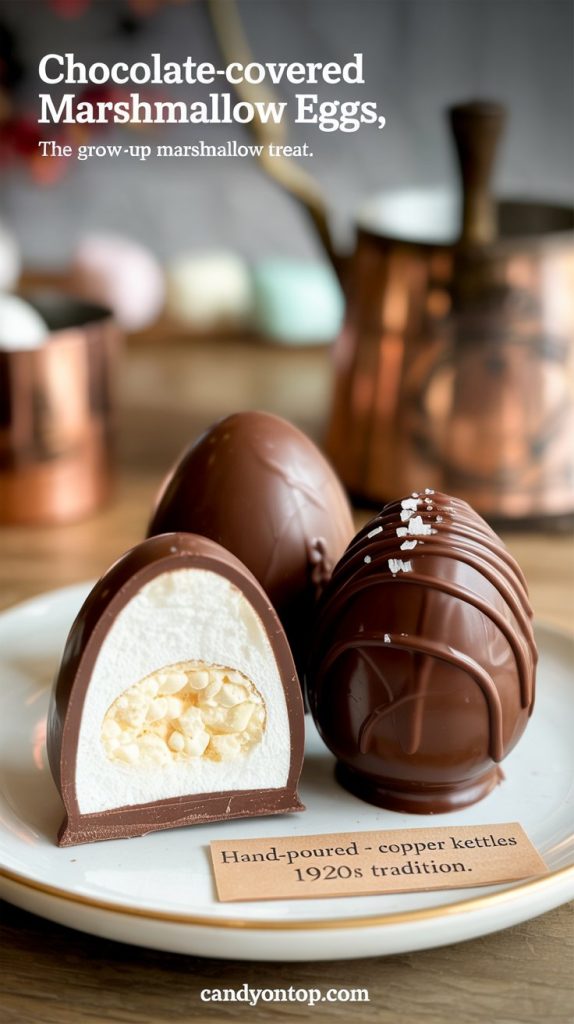
Regional confectioners have kept this tradition alive. Peggy Gray Candies, operating in rural Pennsylvania since 1922, reports that their peanut butter and butter cream filled eggs are Easter bestsellers, but the marshmallow varieties hold a devoted following.
O’Shea’s Candies still hand-pours their fillings using copper kettles and marble slabs, a method unchanged for 90 years.
Why It’s a Classic: It’s the perfect marriage of two beloved candies, sanctified by time.
#1. The See’s Candies Chocolate Butter Egg
Year Introduced: 1930s
The Experience: For anyone who grew up west of the Rockies, no other candy on this list matters as much as the See’s oversized decorated chocolate egg. It is, by any objective measure, a ridiculous object—a 7-ounce slab of chocolate so dense and generously filled that it requires strategy to consume.
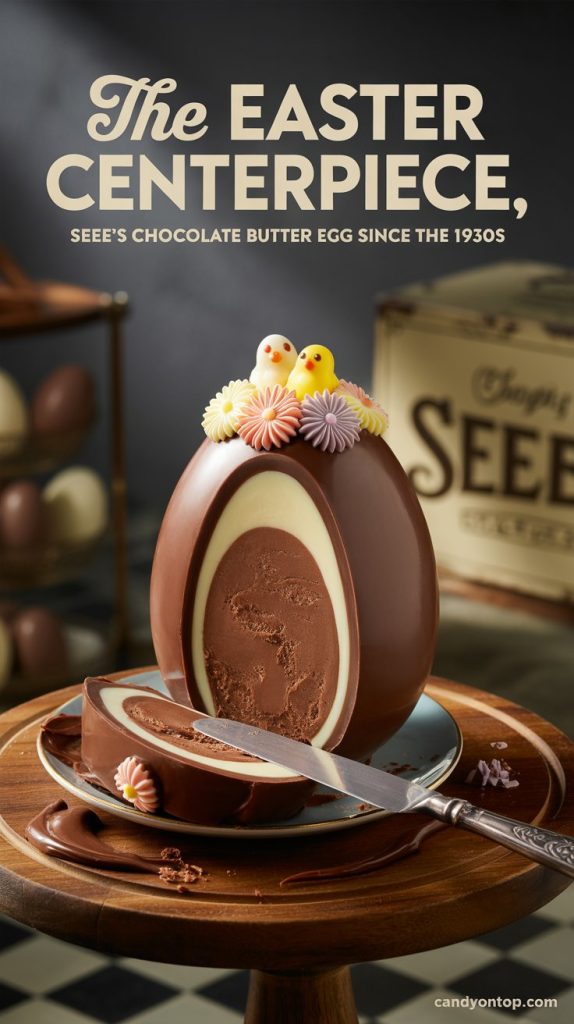
The fillings are the same recipes developed in the 1930s: walnut buttercream, rocky road, California brittle. The chocolate is the same proprietary blend. The decoration—swirls, flowers, the occasional piped bunny face—is applied by hand. Biting directly into one is a visceral act; slicing it is a civilized concession. Neither faction has ever won the argument.
Why It’s #1: Because when a candy remains unchanged for ninety years and people still line up for it every March, it has transcended “product” and become ritual. It is not just an Easter candy. It is Easter.
The Basket Builder: Mixing Your Classics
The Traditionalist Basket: Cadbury Creme Egg, hollow milk chocolate bunny, assorted jelly beans, See’s butter egg.
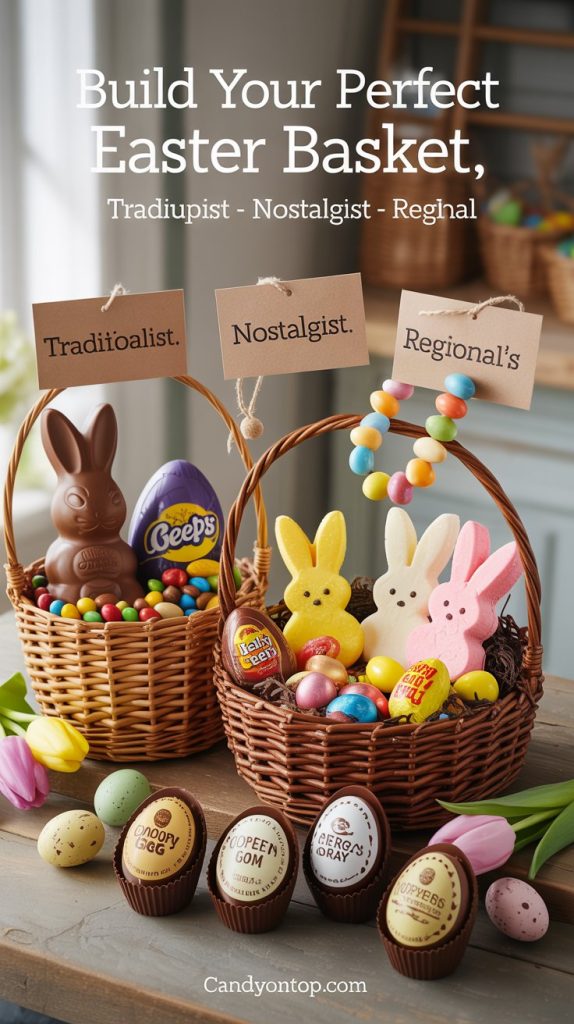
The Nostalgist Basket: Peeps (stale, by request), candy necklace, Jelly Belly Bunny Corn, panned chocolate eggs.
The Regionalist Basket: Seek out O’Shea’s hand-rolled egg (Pennsylvania), Peggy Gray peanut butter egg (Erie County), or Kopper’s panned eggs (New York).
Pro Tip: Buy your hollow bunnies early. The thin-walled ears are notoriously fragile and the selection of unbroken specimens dwindles by Holy Week.
Read More: 35+ Best Candy Bars with Nuts