
Easter Sunday demands a centerpiece worthy of the celebration. Something that announces, this is a feast. It fills your kitchen with warm, aromatic promise hours before anyone sits down. Something that elicits actual gasps when you carry it to the table.
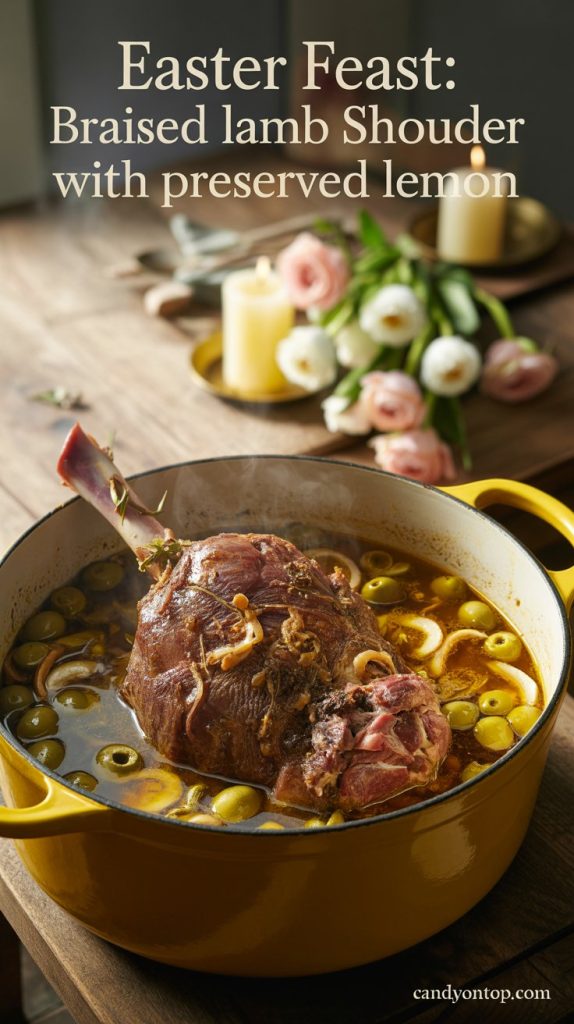
Enter braised lamb shoulder with preserved lemon.
This is not the quick-grilled lamb chop or the politely roasted leg. This is low-and-slow cooking at its most rewarding—a cut of meat so richly marbled that hours of gentle heat transform it into butter-soft, fall-apart tenderness. The preserved lemon, a North African staple of salt-cured lemons, works magic here. It’s not merely citrusy; it’s complex, deeply savory, almost funky, with an intensity that brightens the lamb’s inherent richness without overwhelming it.
And here’s the best part: this dish actively prefers to be made ahead. The flavors deepen overnight. Your Easter stress evaporates. You actually get to enjoy your own party.
Read More–Five-Spice Glazed Duck for Easter: A Showstopping Centerpiece Recipe
Why Lamb Shoulder Beats the Leg Every Time
Let’s settle this immediately. Most Easter tables feature leg of lamb. It’s beautiful, yes. Impressive, certainly. But it’s also expensive, easy to overcook, and requires precise timing that often fails when you’re juggling a dozen other dishes.
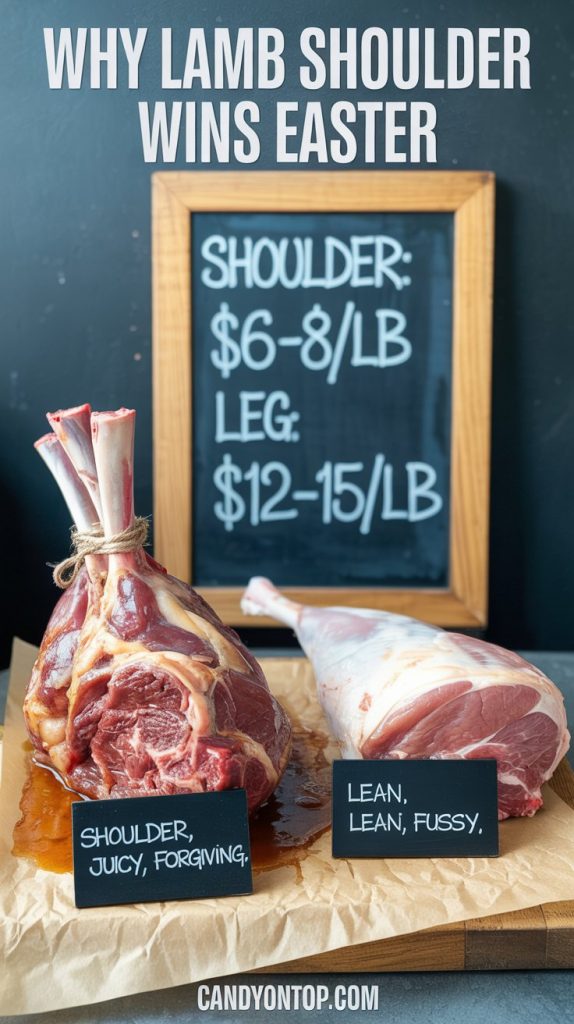
Lamb shoulder is the smarter, tastier choice.
More Fat, More Flavor. Shoulder comes from the animal’s hard-working front quarters. It’s marbled with intramuscular fat that renders slowly during braising, basting the meat from within. Leg is leaner. Leaner means less forgiving.
Lower Cost, Higher Yield. Shoulder typically runs $6-8 per pound versus $12-15 for leg. And because the shoulder is braised, you can feed eight people comfortably from a single 5-pound roast.
Forgiving and Foolproof. The leg needs to hit 130°F and stop. The shoulder needs to hit 200°F and stay there. The window of “done” for braised shoulder is measured in hours, not minutes.
Better Leftovers. Cold, sliced leg is fine. Shredded braised shoulder, reheated in its own juices, is transcendent. You’ll fight over the last bits.
Don’t have extra Time, order the Lamb shoulder from Amazon.
The Secret Weapon: Preserved Lemon
If you haven’t cooked with preserved lemon, prepare for a revelation. Traditional Moroccan preserving transforms fresh lemons through salt and time. Over several weeks, the brine tames the fruit’s aggressive acidity while concentrating its essential oils. The resulting rind is soft, intensely lemony, and surprisingly savory—almost like an olive crossed with a Meyer lemon.
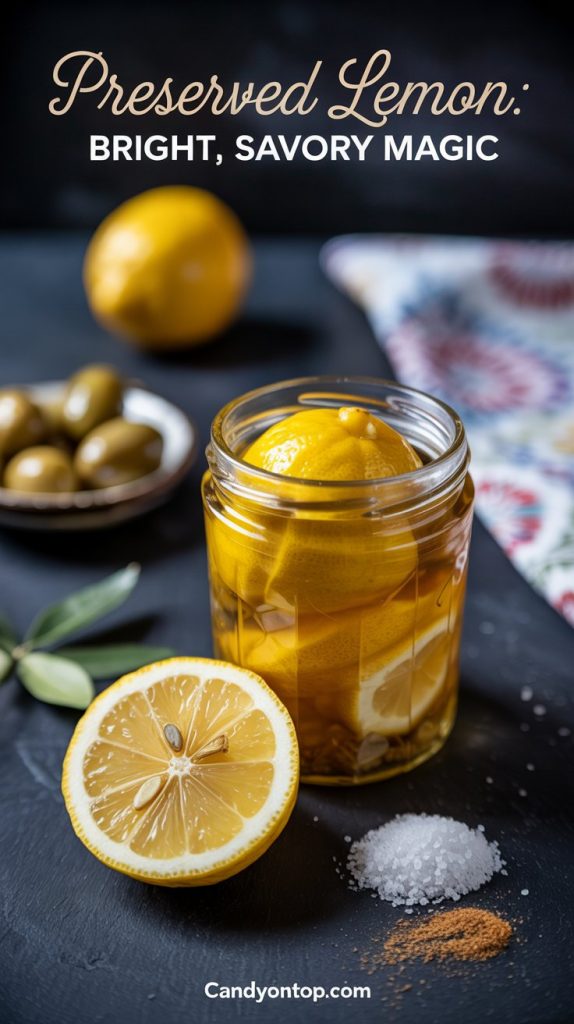
Where to Find Them: Specialty grocery stores often carry preserved lemons near the olives or Mediterranean ingredients. Whole Foods stocks them. So do Middle Eastern grocers. Online, check Kalustyan’s or Amazon.
DIY Option: Make your own at least three weeks ahead. Quarter 5-6 organic Meyer lemons almost through, pack the cuts with kosher salt, stuff into a jar, cover with fresh lemon juice, and wait. It’s embarrassingly easy.
Substitution Emergency: If you absolutely cannot find preserved lemon, you can approximate by combining fresh lemon zest, salt, and a touch of cumin. It won’t be the same, but it will be good.
Also Read– Kale and Potato Gratin for Good Friday: A Meatless Main Dish That Actually Satisfies
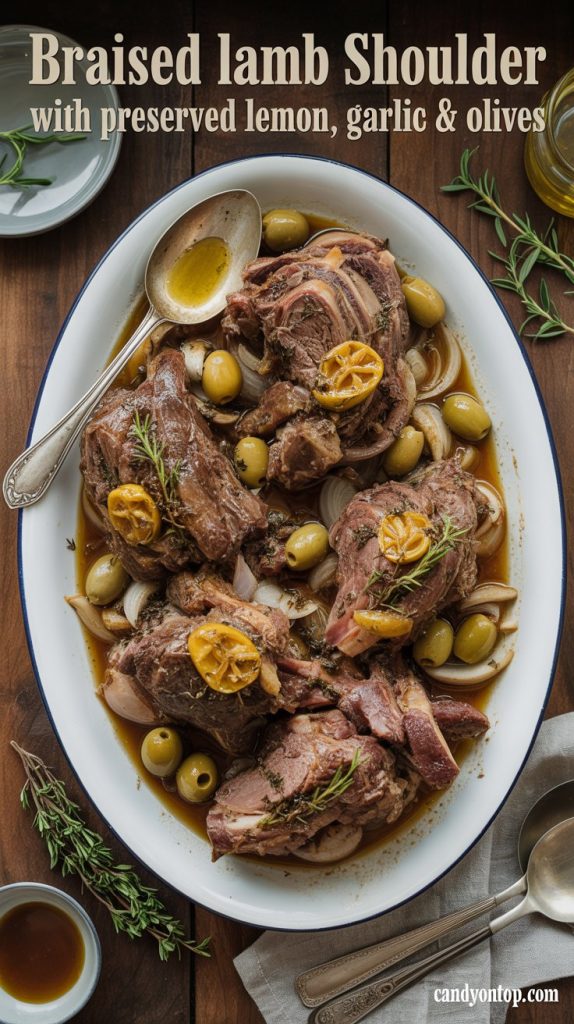
The Recipe: Braised Lamb Shoulder with Preserved Lemon, Garlic, and Olives
Serves 6-8
Ingredients
For the Lamb:
-
5-6 pounds bone-in lamb shoulder (or 4-5 pounds boneless, tied)
-
2 tablespoons kosher salt
-
1 tablespoon freshly ground black pepper
-
3 tablespoons olive oil, divided
-
2 large yellow onions, thinly sliced
-
1 head garlic, cloves peeled and smashed
-
2 preserved lemons, rind only, flesh discarded and rind chopped
-
1 cup dry white wine or dry vermouth
-
2 cups chicken or lamb stock
-
1 cup pitted green olives (Castelvetrano or Cerignola)
-
1 tablespoon honey
-
4 sprigs fresh thyme
-
2 sprigs fresh rosemary
-
2 bay leaves
-
1 cinnamon stick
The Gremolata (Optional but Recommended):
-
½ cup chopped fresh parsley
-
Zest of 1 preserved lemon
-
2 cloves garlic, finely minced
-
¼ cup toasted pine nuts
Step-by-Step Instructions
Step 1: Season and Sear (Day Before or Morning Of)
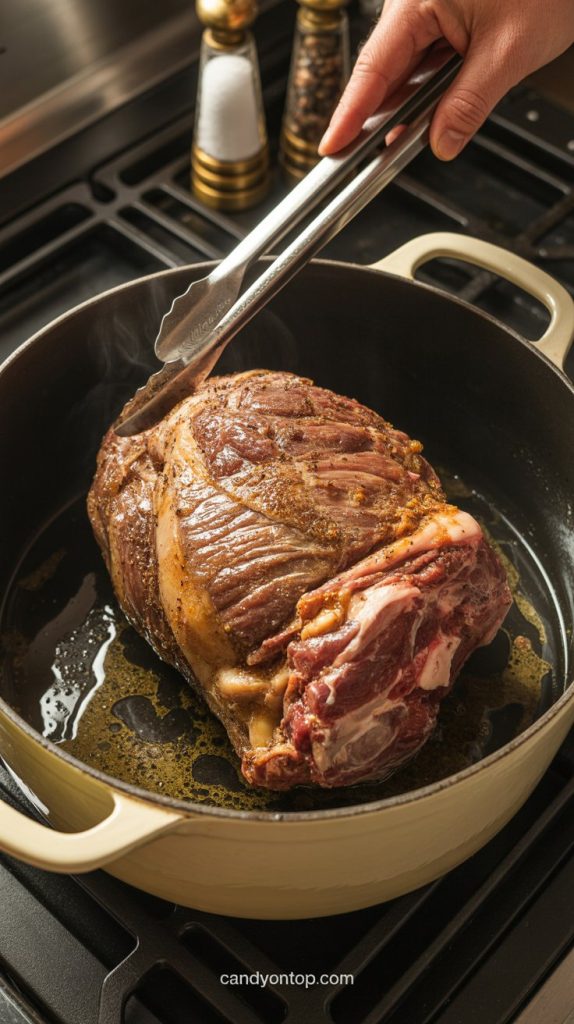
Remove lamb from the refrigerator 1 hour before cooking. Pat absolutely dry with paper towels—moisture is the enemy of browning. Season aggressively on all sides with salt and pepper. Don’t skimp.
Preheat oven to 325°F.
Heat 2 tablespoons olive oil in a large Dutch oven over medium-high heat until shimmering. Sear lamb shoulder, fat-side down first, without moving it, for 4-5 minutes until deeply golden and crisp. Turn and repeat on all sides. This is not optional—browned meat is flavorful meat.
Transfer lamb to a large plate. Pour off all but 1 tablespoon fat from the pot.
Step 2: Build the Braising Base
Reduce heat to medium. Add remaining 1 tablespoon olive oil and sliced onions. Cook 8-10 minutes, scraping up browned bits, until onions are soft and beginning to caramelize.
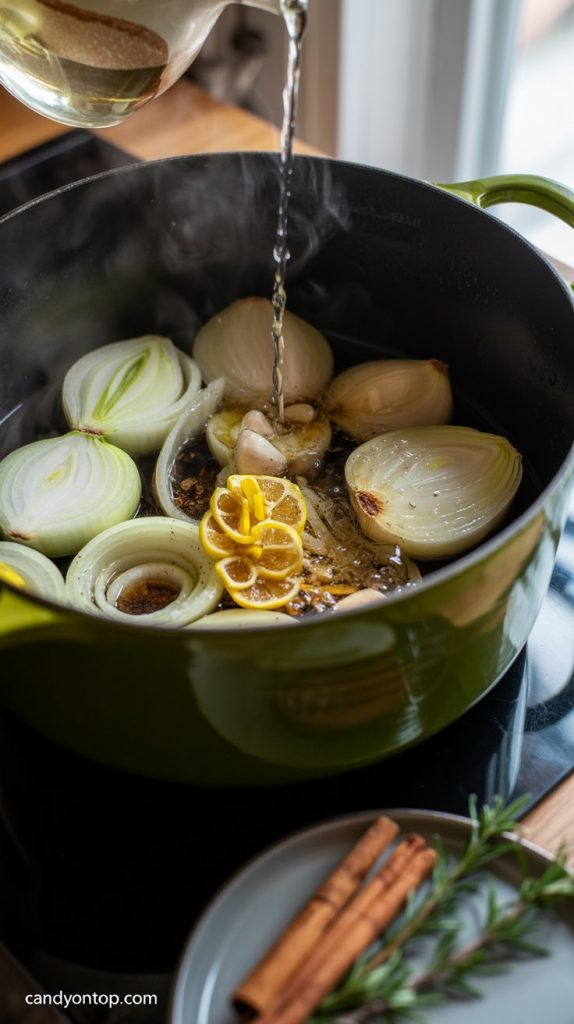
Add smashed garlic cloves and cook 1 minute until fragrant. Add chopped preserved lemon rind and stir.
Increase heat to high. Pour in white wine and boil, scraping vigorously, until reduced by half, about 3 minutes.
Add stock, honey, thyme, rosemary, bay leaves, and cinnamon stick. Return to a simmer.
Step 3: Braise Low and Slow
Return lamb to pot, nestling it into the liquid. It should come about halfway up the meat—not submerged. Cover pot with lid and transfer to oven.
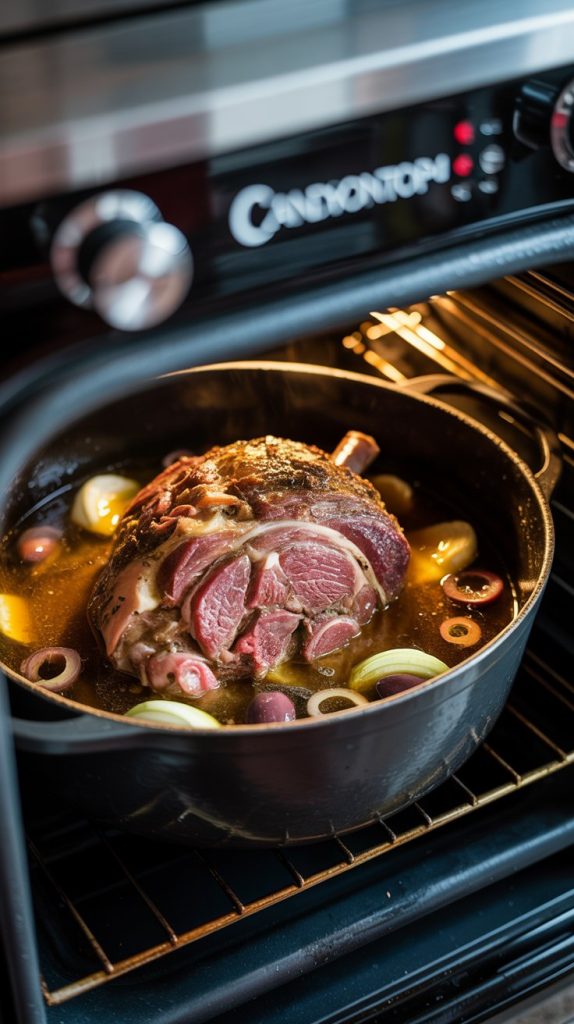
Braise 3 hours undisturbed. After 3 hours, remove lid and add green olives. Continue braising, uncovered, 1 to 1½ hours longer, until meat is fork-tender and nearly falling from the bone.
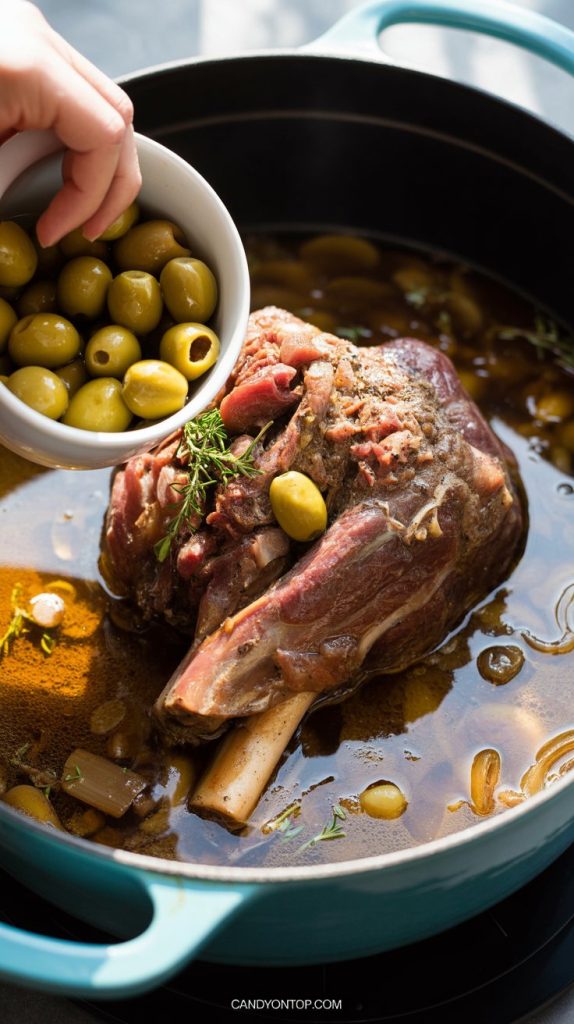
How to test: Insert a fork into the thickest part and twist. It should meet no resistance. The meat should want to pull apart.
Step 4: Rest and Separate (This Is Critical)
Carefully transfer lamb to a cutting board. Tent loosely with foil and let rest 20-30 minutes. Do not skip this.
While lamb rests, skim excess fat from braising liquid. Use a fat separator or simply spoon it off. You want the rich, concentrated sauce beneath. Remove herb sprigs and cinnamon stick.
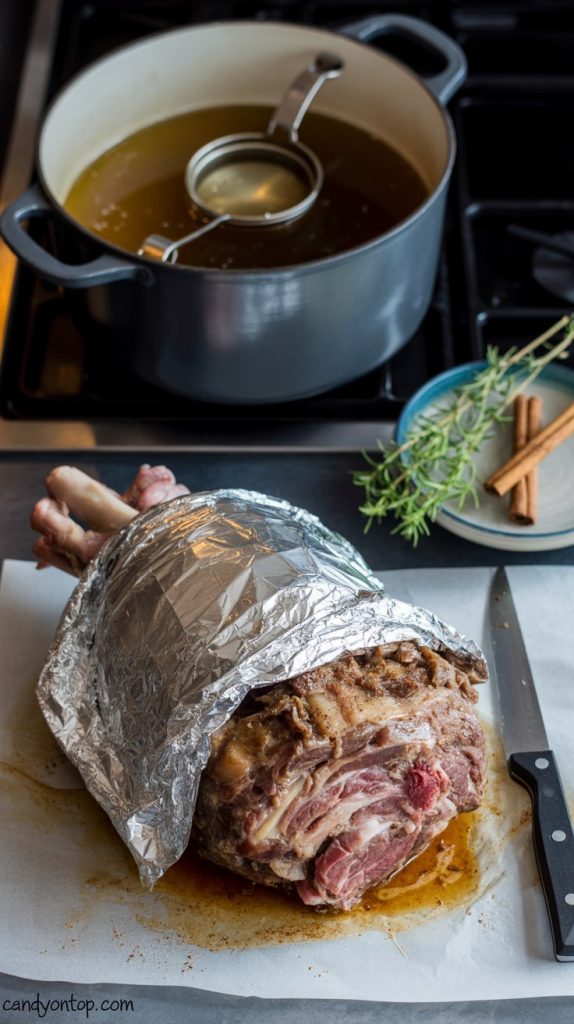
If sauce seems thin, simmer over medium heat 5-10 minutes to reduce and concentrate. Taste and adjust seasoning—remember the preserved lemons and olives add salt, so you may not need more.
Step 5: Make the Gremolata
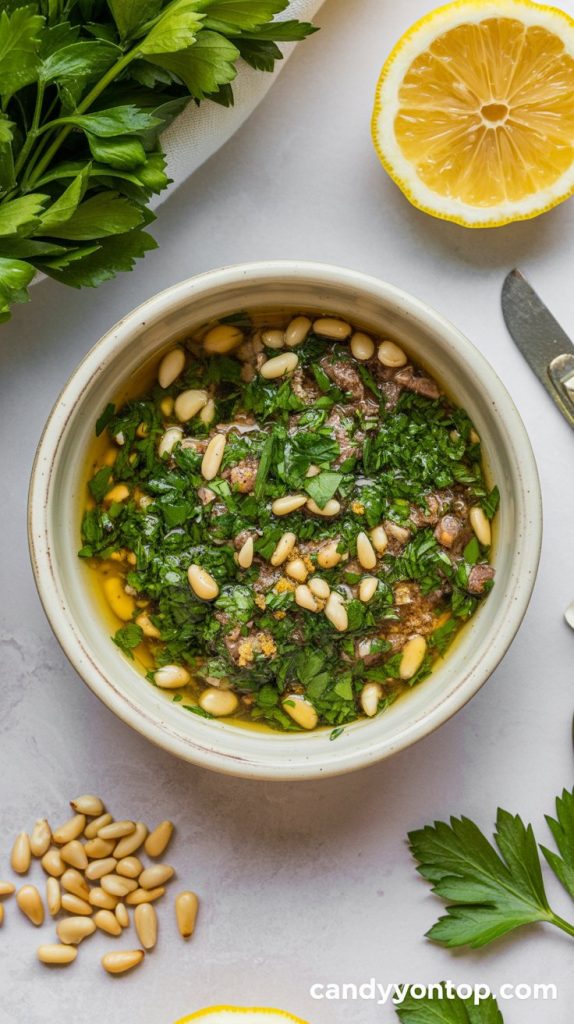
Combine parsley, preserved lemon zest, minced garlic, and pine nuts in a small bowl. This bright, fresh condiment is the perfect counterpoint to the rich, slow-braised lamb.
Step 6: Serve
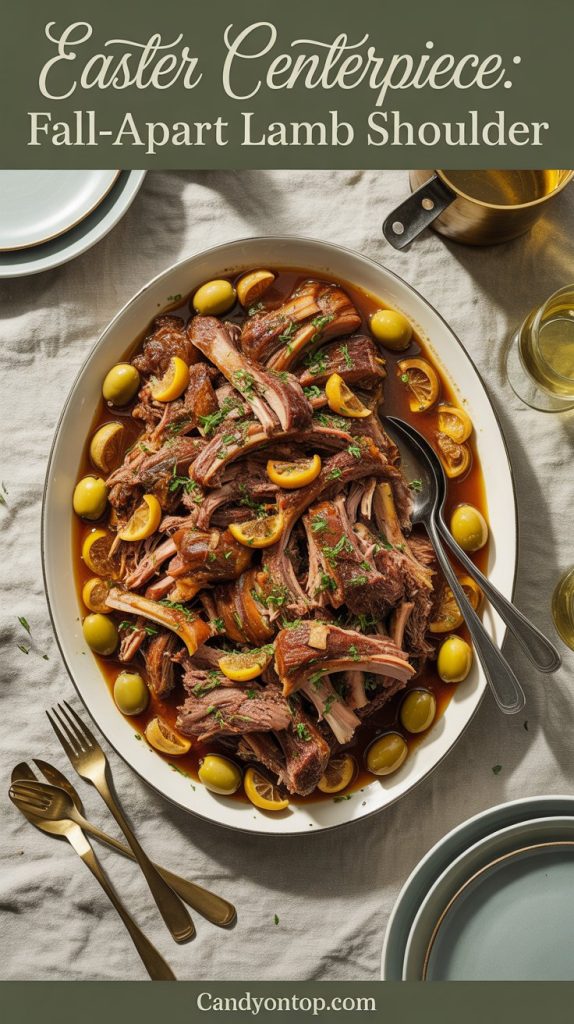
Pull or slice the lamb into large chunks. Arrange on a warm platter. Spoon sauce and olives over the top. Scatter gremolata generously across everything.
Serve immediately with the remaining sauce alongside.
Seven Variations to Make It Your Own
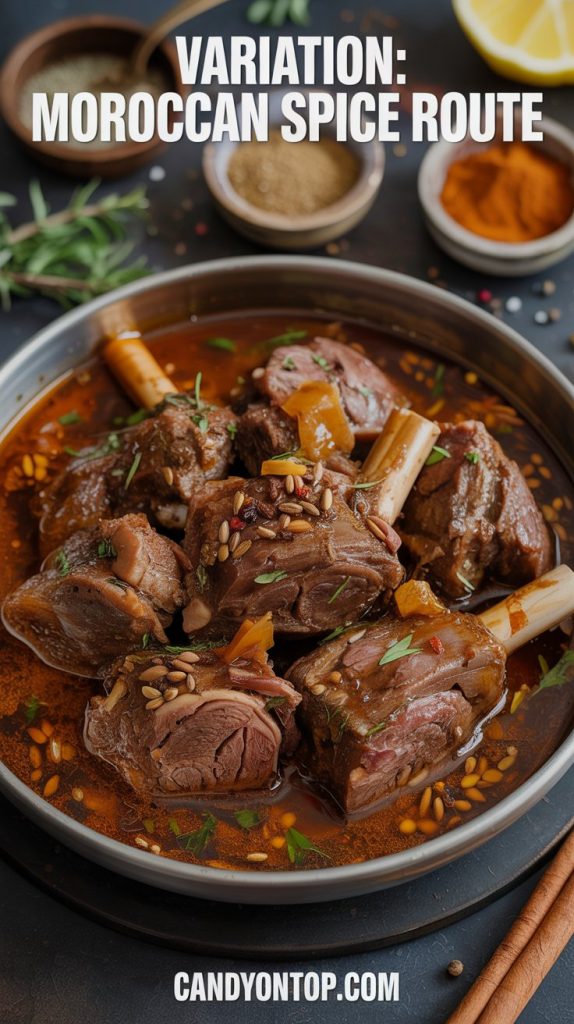
1. Moroccan Spice Route: Add 1 teaspoon each ground cumin, coriander, and ginger, plus ½ teaspoon ras el hanout, to the onions. The warm spices are a natural partner for preserved lemon.
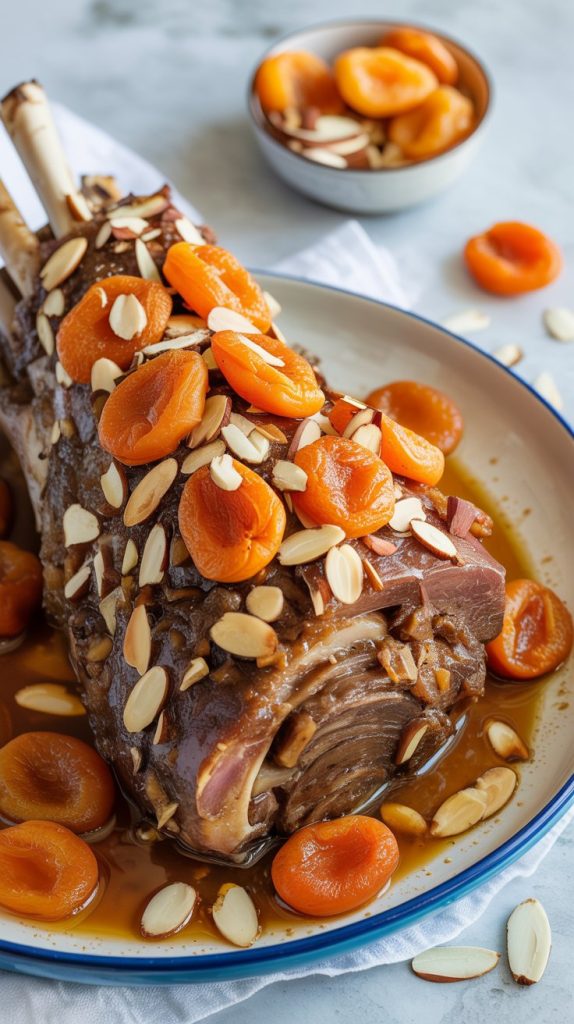
2. Apricot and Almond: Add 1 cup dried apricots during the last hour of braising. Garnish with toasted sliced almonds. Sweet, tangy, and incredibly Easter-appropriate.
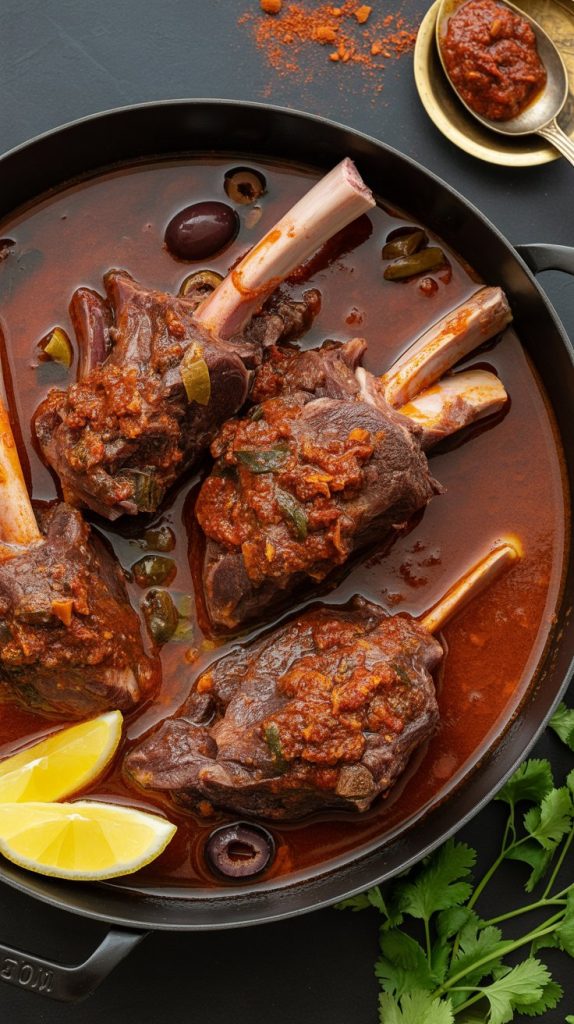
3. Spicy North African: Stir 1-2 teaspoons harissa paste into the braising liquid. The gentle heat builds beautifully over the long cook.
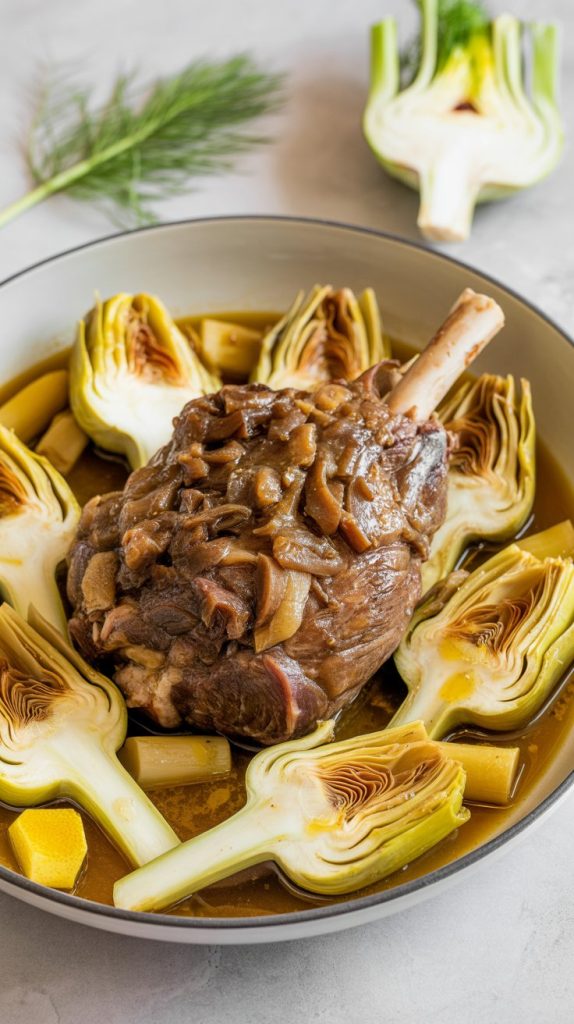
4. Artichoke and Fennel: Add 1 cup frozen artichoke hearts and 1 bulb fennel, thinly sliced, during the last 45 minutes. Spring vegetables that can handle the long cooking.
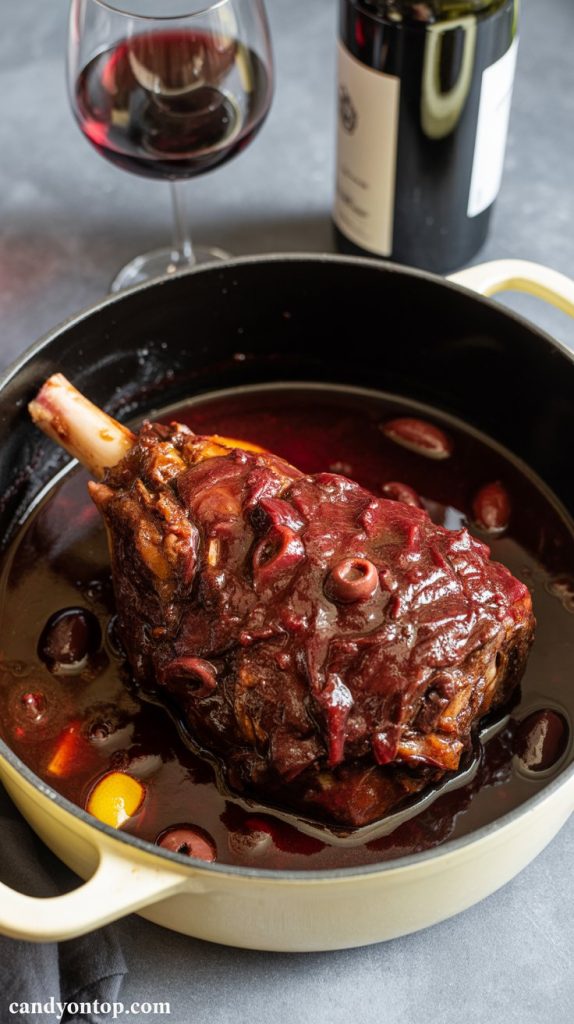
5. Red Wine Variation: Substitute red wine for white. The deeper, fruitier notes pair beautifully with lamb and preserved lemon.
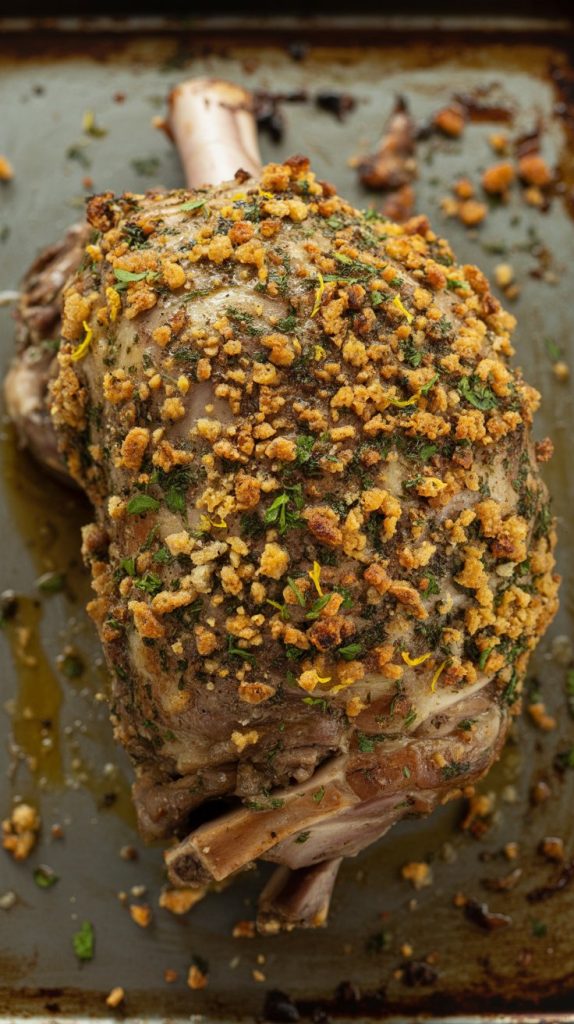
6. Herb-Crusted Finish: Before serving, brush lamb with olive oil and press fresh breadcrumbs mixed with parsley and lemon zest onto the top. Broil 2-3 minutes for a crispy, textural contrast.
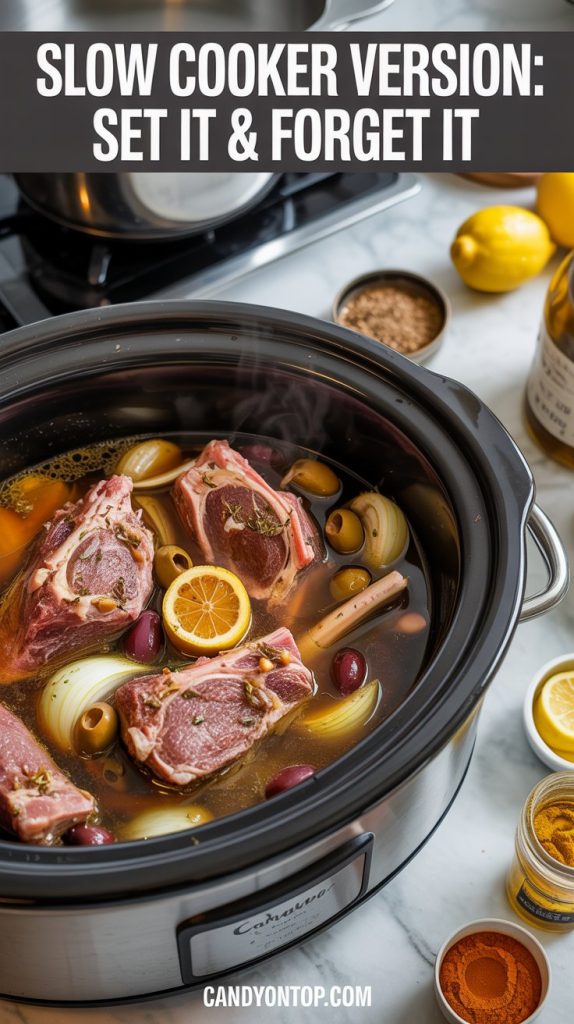
7. Slow Cooker Adaptation: Complete Step 1 (searing) on the stovetop, then transfer everything to a slow cooker. Cook on low 8-10 hours. Finish sauce on the stovetop as directed.
What to Serve Alongside
Starchy Side: Creamy polenta is the ideal canvas for braised lamb and its sauce. Mashed potatoes work beautifully. So does couscous, which soaks up every drop.
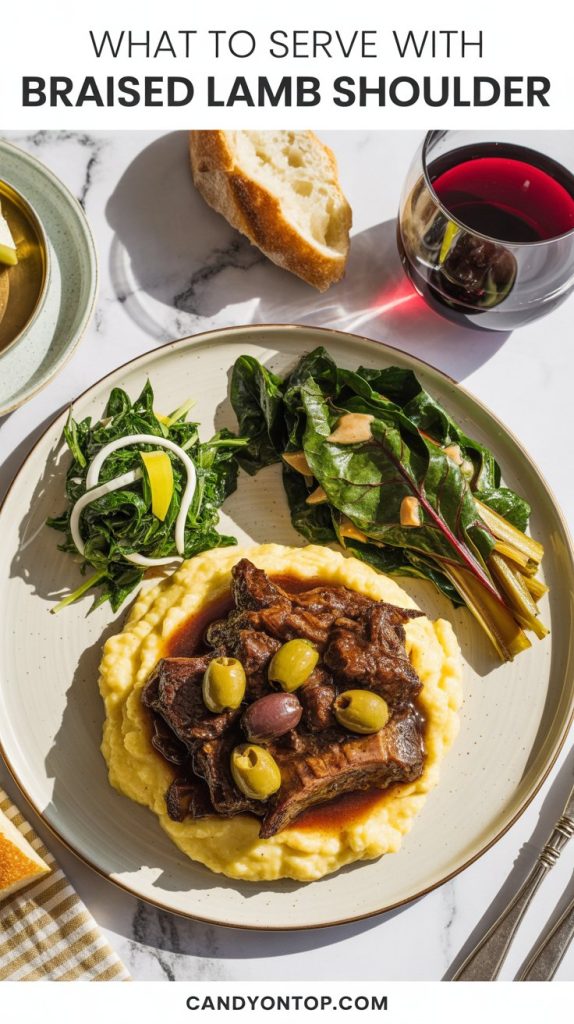
Vegetable: Something bright and green. Sautéed Swiss chard with garlic. Roasted asparagus with lemon. Simple steamed peas with mint.
Salad: Bitter greens are your friend. Arugula, radicchio, or endive tossed with simple lemon vinaigrette cuts through the lamb’s richness.
Bread: Crusty sourdough or a warm baguette. Mandatory for sauce sopping.
Wine: This dish begs for Northern Rhône Syrah, with its savory, olive-laced profile. Bandol from Provence is spectacular. For white drinkers, look for rich, full-bodied options like white Rioja or aged Roussanne.
Make-Ahead and Leftover Strategies
Braised Yesterday Is Better Today: This is one of the great truths of braised meat. Cook the lamb completely through Step 3, cool in its liquid, and refrigerate overnight. The next day, skim the solidified fat from the surface, then reheat gently on the stovetop or in a 325°F oven. The flavors will have deepened and married.
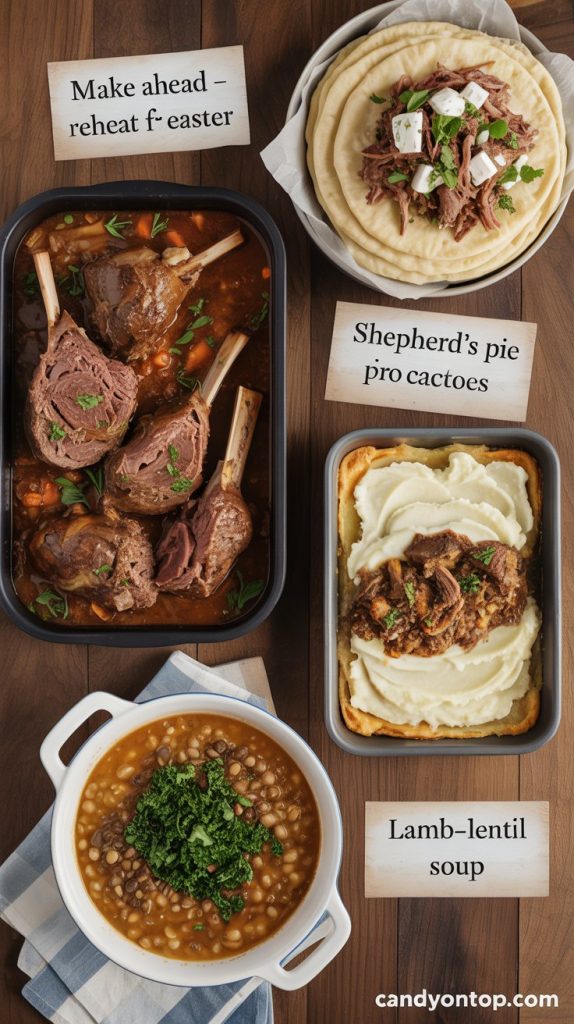
Freeze for Easter Future: Braised lamb shoulder freezes beautifully. Cool completely, transfer to containers with plenty of sauce, and freeze up to 3 months. Thaw overnight in refrigerator before reheating.
Leftover Shepherd’s Pie: Shred leftover lamb, combine with reduced braising liquid and vegetables, top with mashed potatoes, and bake until bubbly.
Lamb and Lentil Soup: Shredded lamb, braising liquid, cooked green lentils, and a handful of chopped kale. Better than any restaurant version.
Lamb Flatbreads: Warm flatbreads, shredded lamb, fresh herbs, crumbled feta, and a dollop of yogurt. Lunch for a week.
Troubleshooting Your Braise
Meat Tough After 4 Hours? Keep going. Some shoulders need 5 hours. Some need 6. Don’t give up—it will eventually surrender.
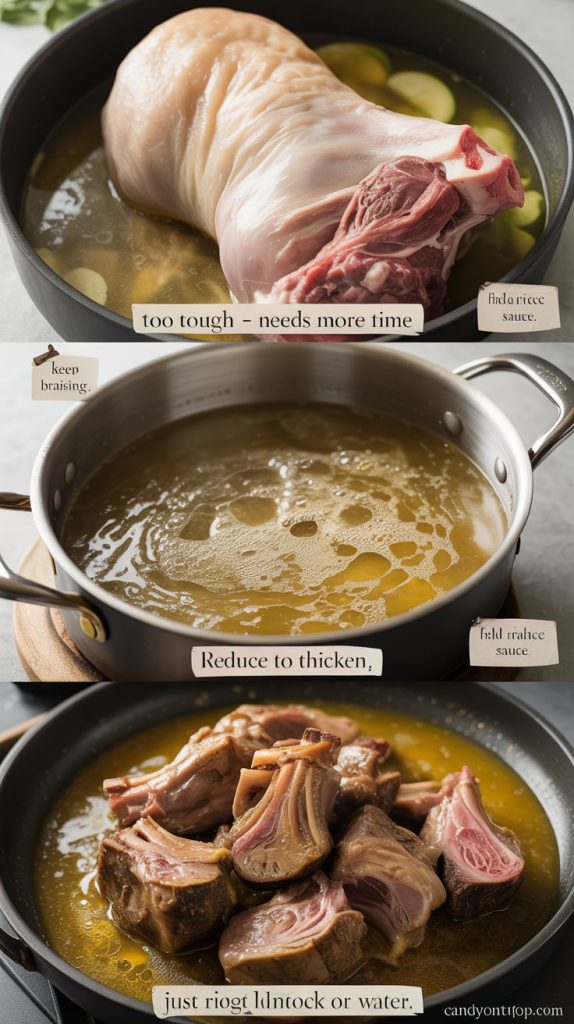
Sauce Too Thin? Remove lamb, simmer sauce vigorously until reduced and flavorful. You can also mash a tablespoon of flour with butter and whisk in.
Sauce Too Salty? Preserved lemons and olives vary wildly in saltiness. Add a splash of water or unsalted stock. A teaspoon of honey can help balance.
Not Enough Sauce? This is a common lament. Next time, add more liquid. This time, serve with extra gremolata and a drizzle of good olive oil.
Bland? Underseasoning is the usual culprit. Salt is not optional in braising—potatoes and meat need it. Also, preserved lemon intensity varies; you may need to add more zest at the end.
The Easter Table Argument for Braised Lamb Shoulder
Here’s what I want you to understand: this dish is not difficult. It requires patience, not skill. Anyone who can operate an oven and wield tongs can produce lamb shoulder that tastes like it came from a three-star kitchen.
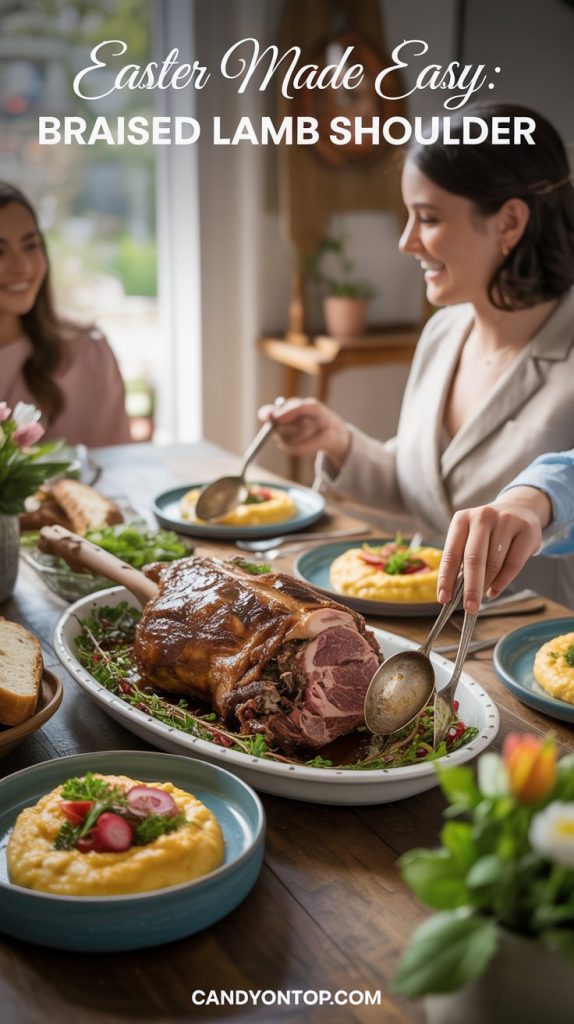
And that’s precisely why it’s perfect for Easter.
You don’t need to hover. You don’t need to worry. While the lamb works its quiet magic in the oven, you can set the table, greet your guests, pour wine, and actually be present for your own celebration. The dish asks nothing of you at the exact moment you have nothing left to give.
Then you carry it to the table, burnished and fragrant, and everyone acts like you’ve performed a miracle.
You have, in a way. You’ve transformed time and patience and humble ingredients into something that tastes like love. That’s the real Easter story, isn’t it? Death and rebirth, darkness and light, the ordinary made extraordinary through faith and patience.
This lamb is that. Make it. Your table deserves nothing less.